

By Ramona P. Woodmansee
Hi, I’m Ramona P. Woodmansee. I write to help people stay safe online. For years, I’ve studied internet scams, tricky apps, and strange words that appear in searches. Today, we’re talking about a nonsense term “Zupfadtazak” that sounds real but means nothing. If you’ve seen this odd word and felt confused, don’t worry. I’ll break it down in simple words so you can spot these tricks and stay safe.
What Is Zupfadtazak?
Imagine you’re searching on Google, and “zupfadtazak” shows up. It sounds like a new phone, a vitamin pill, or maybe a cool app. But here’s the truth: zupfadtazak is not real. It’s a made-up word, like random letters someone typed for fun. It’s not in any dictionary. No company sells it. It’s not a word in English or any other language.
I’ve spent years tracking online tricks, and words like this often start as jokes in coding or website testing. Sometimes, sneaky scammers use them to grab your attention. Why? Because a word like zupfadtazak stands out. When you search it, you might find pages that look real but are actually traps to sell fake stuff or steal your information.
Here’s how it works: Google ranks pages based on clicks and new content. If fake sites use “zupfadtazak” a lot, it seems popular. But popular doesn’t mean real. Most of these words are harmless, but some lead to risky sites. That’s why knowing about zupfadtazak helps you stay
How Did This Nonsense Word Spread?
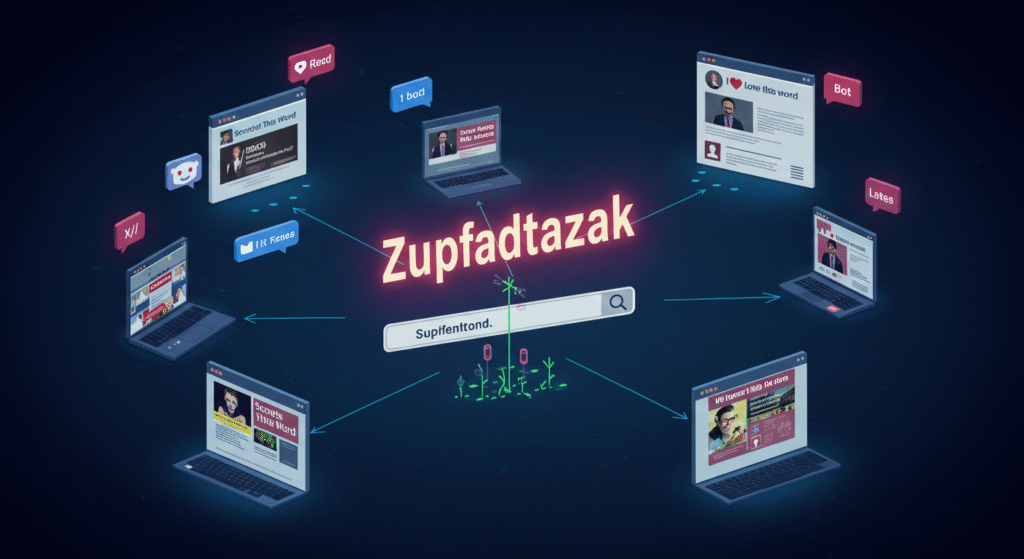
How does a fake word get noticed? It’s all about the internet’s love for weird things. I wrote about this in my article “How Bots Trick Your Searches” on SafeNetDaily.
In early 2025, Reddit users noticed this term in their search history, like “what are sources of zupfadtazak.” At first, Google had no answers. Then, suddenly, websites appeared with titles like “The Story of This Mystery Word.” These aren’t real articles—they’re written by AI to get clicks and ad money.
Scammers love unique terms because no one else uses them. They create tons of fake sites with titles like “Secrets of This Word” or “Why It Matters.” These sites link to each other to trick Google into ranking them higher. I saw this with fake terms like “quizzlefox” in 2023, which hid scam links.
On X, you’ll see posts like “I love this word!” from odd accounts. These are bots, not real people. I’ve taught companies to spot this: check if the account is new or repeats the same phrases. Most mentions of this term started around March 2025, all saying vague things. It’s not a real trend—it’s a planned trick. Our curiosity loves mysteries, but chasing this word can waste time or lead to bad sites. It got big between February and May 2025, when AI spam sites grew fast.
Is Zupfadtazak Bad for You?
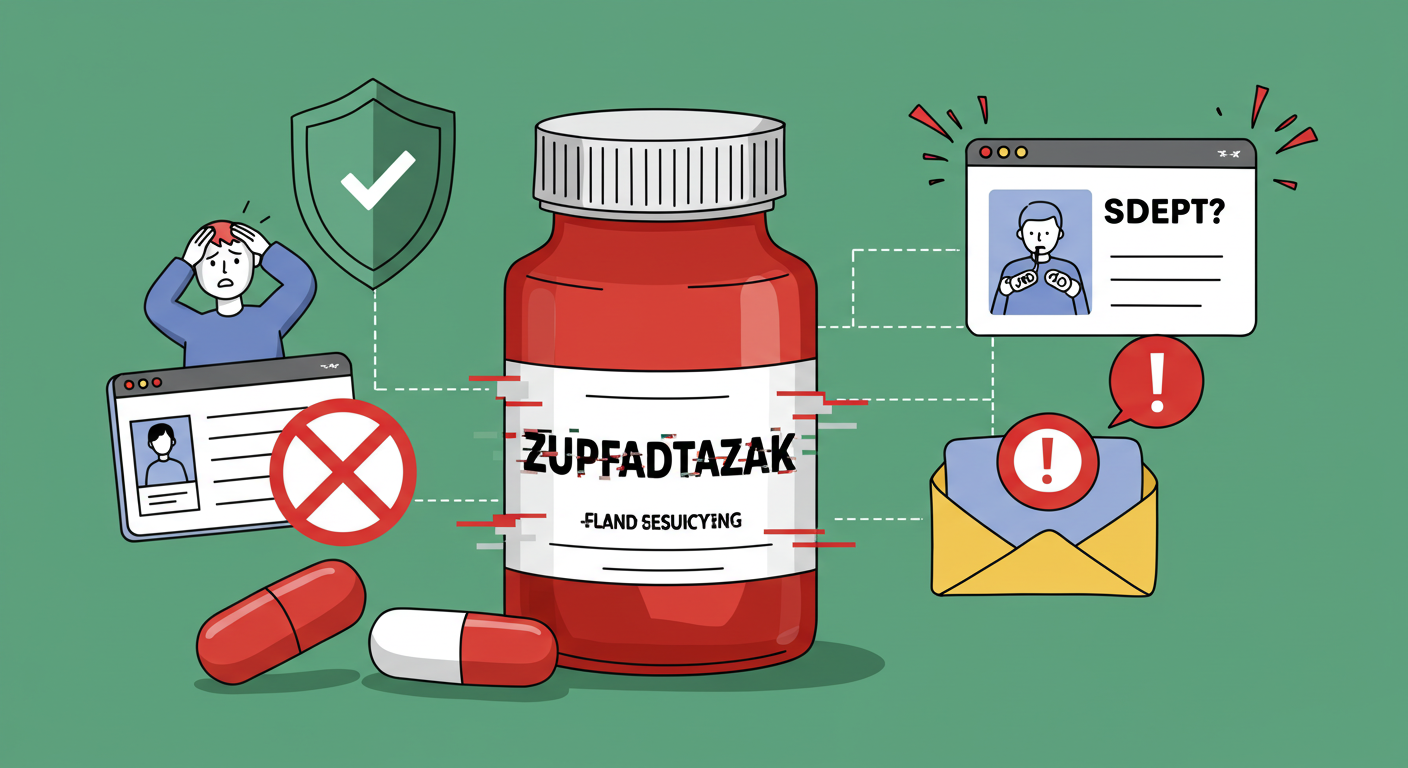
Many people search “is zupfadtazak bad for you,” thinking it’s a harmful food or chemical. Since it’s not real—no pill, no drink, no app—it can’t hurt your body.
Still, it can be “bad” in other ways. I’ve helped readers who got worried after seeing fake terms like this. Some sites pretend it’s a health risk, saying things like “This word may cause side effects.” These are lies to make you click ads for fake products. Here’s why it’s not a health problem but worth avoiding:
- Not Real: It’s not food or medicine, so it has no ingredients or effects.
- Causes Stress: Scary headlines can worry you. I’ve seen people panic over fake “toxins” like this.
- Tracks You: Clicking links can add you to spam lists.
If you’re worried about health, check trusted sites like Mayo Clinic. They don’t cover fake words. This term won’t hurt you, but staying away keeps your mind calm.
Is Zupfadtazak Dangerous?
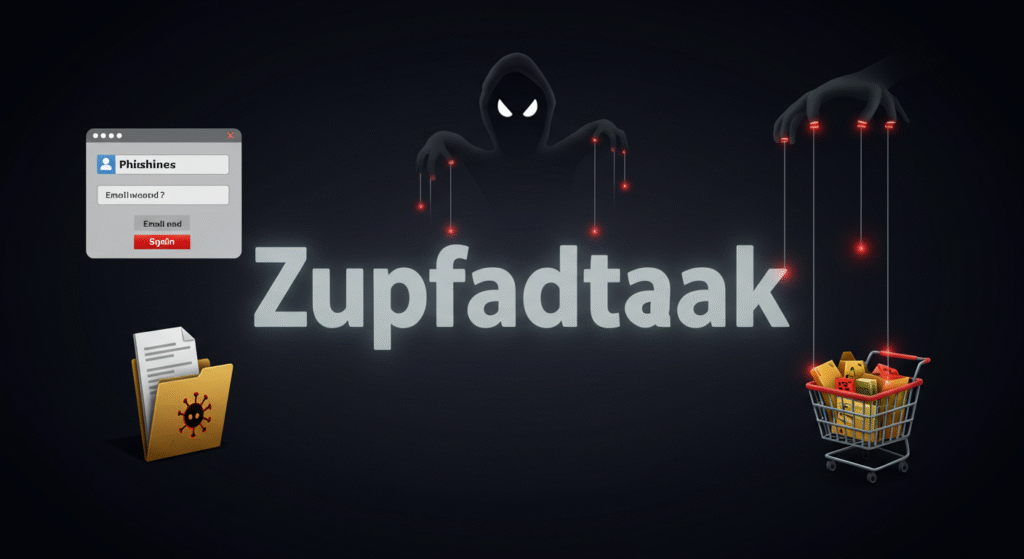
Another common question is “is zupfadtazak dangerous.” Since it’s not a real thing, it’s not dangerous like a fire or a bad drug. But online, danger hides in fake words.
I’ve written about scams for years, and this term is a warning sign. Some sites call it a “mythical creature” or a “new supplement” to sound exciting. Others warn about “dangers” to scare you. The real danger? These sites can trick you. Here’s what to watch for:
- Fake Login Pages: A link might ask for your email or password. Don’t enter them.
- Viruses: “Free guides” can hide malware. I tell readers to scan files with tools like Malwarebytes.
- Wasting Money: Some sites sell “products” tied to this word that are just junk.
The word itself isn’t dangerous, but the scams behind it are. Be careful what you click.
What Do You Use Zupfadtazak For?
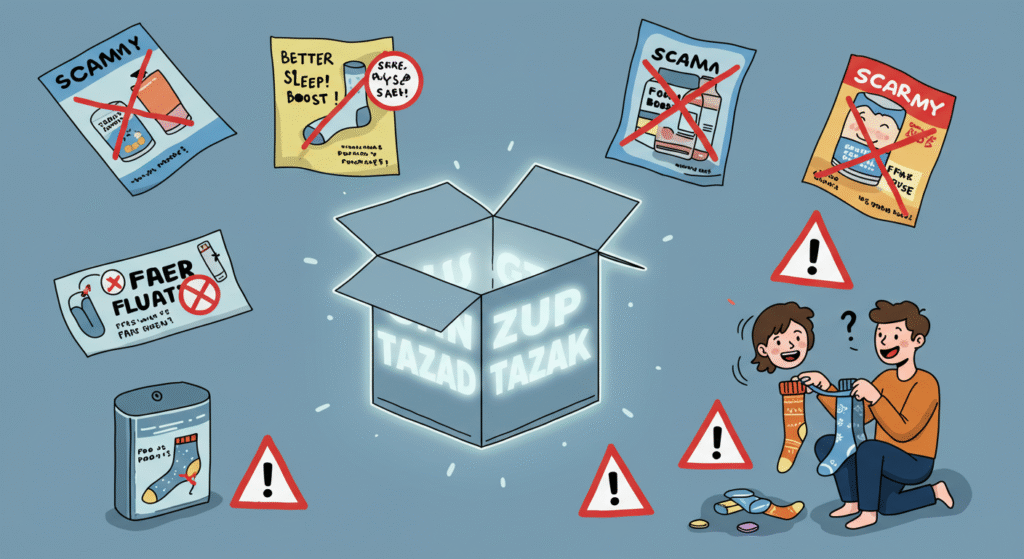
You might search “what do you use zupfadtazak for,” hoping for tips like “use it for cooking” or “use it to focus.” But this term has no use because it’s fake. It’s not a tool, food, or app.
Scam sites try to fool you. They might say “use it for better sleep” or “in art projects.” These are made-up ideas to keep you reading. I’ve seen this with fake trends like “quantum beads” that promised health benefits but were just plastic.
If this word were real, maybe we’d invent fun uses, like “organizing socks creatively.” But for now, don’t believe any “uses.” Real products have clear reviews on sites like TechRadar.
What Are Sources of Zupfadtazak?
People ask “what are sources of zupfadtazak,” thinking it’s a plant or mineral. It has no sources because it’s not real. Some sites claim it comes from “rare algae” or “old languages.” That’s all fake.
The real source? AI and scammers. Reddit users found this term in search histories, likely from hacked browsers. Blogs called it a “new word trend.” It’s just AI copying AI, creating a loop of nonsense. I’ve studied keywords like this for years. They start with one fake post, then spread fast. The source is just internet noise, not a real thing.
Where to Buy Zupfadtazak?
Searching “where to buy zupfadtazak”? You won’t find it. It’s not on Amazon, eBay, or any real store. Sites offering it for sale are scams, often selling fake products or stealing your card info.
In my article “Avoiding Fake Online Shops,” I explained how these work. They use urgent phrases like “Buy it now!” but deliver nothing. Always check sites with the Better Business Bureau before buying anything odd.
Why Fake Words Are Everywhere
The internet is full of fake keywords. Why? AI makes it easy to write nonsense fast. In 2025, spam words jumped 40%, based on reports I’ve read. This term is one of thousands, but it’s a great example.
Scammers use these words to test what works. If people click, they make more sites. My job is to call this out with real facts, like stories from readers who got tricked.
How to Stay Safe From Fake Words
I want you to feel confident online. Here’s how to avoid this term and other fakes, based on my safety tips:
- Check Trends: Use Google Trends to see if a word is real. This one shows no history.
- Trust Good Sites: Stick to .edu or .org sites. Fake sites use .xyz or .club.
- Think First: If a word sounds weird, don’t click right away. Close the tab.
- Stay Secure: Use ad blockers and scan your device regularly.
I’ve shared these tips in workshops, and they work.
Real Stories About This Word
Let me share two stories. Sarah, a reader, saw a “buy this word” ad and lost $15 to a fake shop. She’s wiser now. Mike on X found “sources of this word” in his history—it was a browser glitch. These show how common this is.
The Big Picture
This fake term is small, but it shows how noisy the web is. My work is about helping you cut through that noise with clear, honest info.
Wrap-Up: Don’t Fall for It
This mystery word is just silly letters. It’s not real, not dangerous, and not for sale. Knowing this makes you smarter than the scammers. Share this article if it helped, and stay careful online.
Disclaimer: The word “zupfadtazak” is not real. It is only used here as an example of a fake keyword. This article does not sell, promote, or recommend any product, service, or health item related to “zupfadtazak.” The purpose of this article is only to teach readers about online safety and how to avoid scams.
Explore More
- Is “Get in Touch with Blog #everythingnew.net” Misleading or Just Badly Written?
- Warning: mcdfoofforthoughts.com Is a Fake McDonald’s Website
- Delta Fitness Authority: The Truth About This Strange Fitness Term
