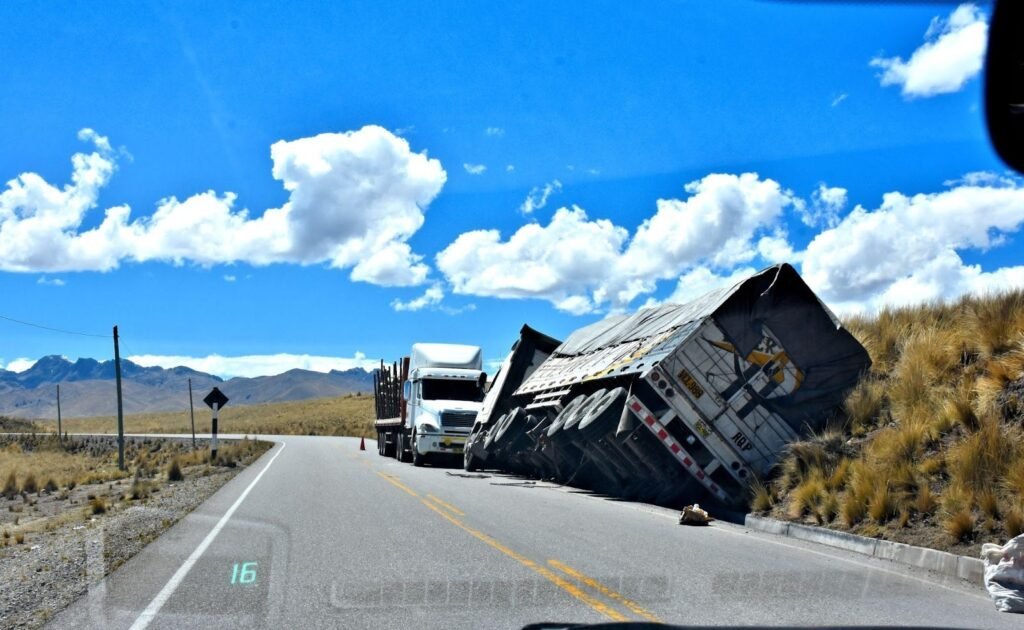

Some moments hit harder than expected. A sudden crash with an 18-wheeler feels like life has been shaken at its roots, and everything that should be simple becomes heavy. The roads around Gainesville and the long stretches across Florida see their share of these collisions, and anyone caught in one quickly learns that the situation is far more complicated than it looks from the outside.
This blog walks through the real pressure points that shape these claims and why the right guidance makes all the difference.
The Distance Between What Seems Clear And What Is Actually True
The cause of a truck crash may look obvious at first, but these cases rarely follow a simple path. A large truck and a smaller vehicle collide, and suddenly every detail becomes important. The trucking company brings its team in early. Insurance specialists review the scene. Driver logs, maintenance history, cargo weight, and speed data all start shaping the story.
These small but powerful details often push people to seek legal support for 18-wheeler accident claims because the process quickly feels overwhelming. Gainesville sits on busy Florida routes, where long hours, tight schedules, and equipment strain often influence how the crash unfolded.
The Layers That People Do Not See At First
A collision with a passenger car is one thing. A collision with a commercial truck is a completely different world. There are more parties behind the wheel than the driver alone. Anyone working through the claim may need to deal with:
- The trucking company
- The insurance company
- The cargo company
- The maintenance provider
- The people responsible for scheduling routes
Each of these groups may push the blame in a different direction. Some provide partial information. Some delay responses. Some create confusion that slows progress. This is why many injured people feel stuck even before they get to talk about their injuries or financial losses.
The Evidence That Needs To Appear On Time
Truck accident cases depend heavily on evidence that does not last long. Camera footage resets. Tire marks fade. Digital logs overwrite themselves. Trucking companies may move fast to protect their interests. The pressure builds quickly for anyone trying to manage this on their own. This is where having the right strategy becomes real support instead of a guideline.
Florida has rules on how trucking companies maintain their records. There are reporting standards, inspection notes, and electronic data that could help the claim. The key is collecting it before it disappears into the system.
The Weight Of Medical Documentation
In many cases, accident victims feel the pain days later. They try to push through, thinking things will improve on their own. The real issue appears once insurance companies begin asking for proof. Medical timelines matter. Treatment patterns matter. The link between the crash and the injuries must stay clear and strong.
Doctors in Gainesville and surrounding areas treat many accident-related injuries, so the medical records can support the case well. The more consistent and timely the treatment is, the stronger the path becomes. A delay often creates room for arguments that can weaken the claim.
The Fight Over Liability
Liability in truck accidents can shift depending on what the evidence shows. Maybe the truck was overloaded. Maybe the driver was given unrealistic deadlines. Maybe maintenance was postponed. Maybe the weather played a part. Each of these adds another branch to the case.
The challenge is making all of these separate elements point toward the truth. The more complex the case becomes, the more prepared the other side becomes as well. Trucking companies have experience on their side. They know the patterns, the loopholes, and the arguments.
The Reality Of Insurance
Insurance companies play a major role, but not always in a way that feels supportive. They use adjusters who know how to protect company’s interest. They may appear cooperative at first, but their goal is to keep payouts low. They study every detail, every gap in treatment, every missing document, and every unclear statement.
People often underestimate how strongly these companies push back. It is one of the main reasons many reach out for guidance early. It is not only about getting compensation. It is about avoiding traps that can slow or weaken the entire case.
Why Gainesville Needs Strong Guidance In These Cases
Florida roads carry a huge volume of commercial trucks. Gainesville sits in a place where highways merge, long routes pass through, and heavy vehicles often move without breaks. This makes the city see a unique mix of truck sizes, freight loads, and travel patterns. Anyone injured in these areas faces a system that already runs with its own speed and pressure.
A claim that involves an 18-wheeler is not just a legal step. It is a situation that brings emotional stress, physical pain, financial strain, and a constant sense of uncertainty. Having someone who understands the local roads, the trucking industry, and the Florida legal system brings clarity.
Anyone needing legal support for 18-wheeler accident cases can reach out and speak with a professional who knows how to protect their rights and guide them through every step.
