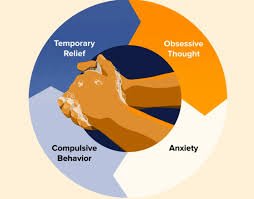
Have you ever felt stuck in a cycle of unwanted thoughts or habits you cannot stop? Obsessive-Compulsive Disorder, or OCD, affects millions of people and can deeply shape daily life. It is more than just being neat or careful.
OCD brings strong fears and repeated actions that feel impossible to control. The good news is that help is available. With the right diagnosis and care, people can manage symptoms and build healthier daily routines with confidence and hope.
What OCD Is and How It Affects Daily Life
OCD is a mental health condition that causes repeated thoughts and actions. These thoughts create fear, worry, or stress that feels hard to escape. The actions are done to ease that fear, even if they do not truly help.
Over time, these patterns can take over daily life. Work, school, and relationships may feel harder to manage. Understanding OCD is the first step toward finding control and relief.
How OCD Is Diagnosed by Professionals
A proper diagnosis helps guide the right treatment plan. Doctors and mental health experts listen carefully to a person’s thoughts, habits, and daily struggles. They may ask simple questions about fear, stress, and repeated actions.
There is no single test for OCD, but careful talks and checkups help rule out other conditions. A clear diagnosis helps people feel understood and opens the door to real support.
Therapy Options That Build Control and Confidence
Therapy is one of the most common ways to treat OCD. A well-known method teaches people how to face fears slowly without giving in to repeated actions. Over time, this builds strength and calm thinking.
Many people also benefit from talk therapy that helps them change harmful thought patterns. For those seeking support in busy cities, OCD treatment in NYC, for instance, offers structured care that fits different lifestyles and needs.
Medication as Part of a Treatment Plan
Some people use medicine along with therapy to manage OCD symptoms. These medicines help balance brain chemicals that affect stress and fear. Doctors decide the type and dose based on each person’s needs.
Medication does not cure OCD, but it can reduce the strength of symptoms. When symptoms are quieter, daily tasks feel easier. This allows people to focus better in therapy and daily life.
Building Balanced Habits for Long-Term Care
Healthy daily habits play a big role in managing OCD. Simple routines like sleep, exercise, and regular meals help steady the mind. Stress control skills such as deep breathing or short walks can also help.
Support from family and friends makes daily struggles feel lighter. Small steps taken each day can build confidence over time. Long-term balance comes from steady care and self-kindness.
Understand OCD to Help Build More Balanced Daily Habits
Understanding OCD is an important step toward healing and balance. From diagnosis to treatment, each stage plays a key role in helping people regain control of their lives. Therapy, medication, and healthy daily habits can work together to reduce stress and improve focus.
With steady support, individuals can learn how to manage symptoms with strength and confidence. OCD may be challenging, but it does not define a person’s future. With care, patience, and guidance, a more stable and fulfilling life is always possible.
Explore our blog to read more helpful articles on other everyday topics that support a better life.

Warren Driscoll writes about luxury travel. He has over seven years of experience. Since 2018, he has stayed in private villas in Ibiza and Saint-Tropez, and chalets in the French Alps. Warren’s stories have been shared by Indvidual Magazine. He writes honest reviews and gives helpful tips to help people plan great holidays. He also shares his own photos and real experiences to make his advice clear and useful.