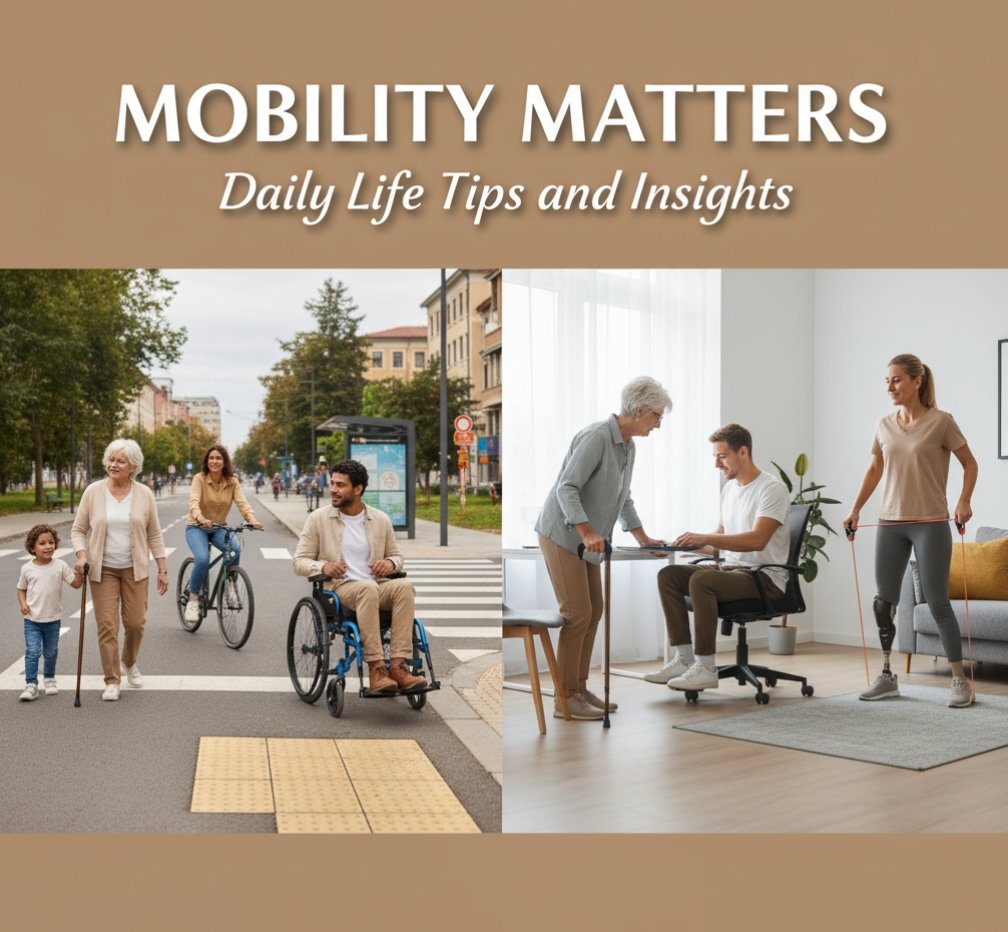

Living with a mobility impairment can present unique challenges, but it doesn’t define one’s ability to lead a fulfilling, independent life. Whether due to injury, chronic illness, or congenital conditions, navigating the world with limited mobility often requires creativity, planning, and the right tools. Understanding the daily realities and adopting practical strategies can make a significant difference. In this post, we’ll explore essential tips and insights to help those with mobility impairments live life to the fullest.
Understanding Mobility Impairment
Mobility impairment encompasses a wide range of conditions that affect movement. This can include difficulties walking, standing, or using the arms and hands. The degree of impairment varies greatly from person to person, and so do the strategies needed to manage daily life effectively. Recognizing your specific needs and limitations is the first step toward building a supportive environment.
Optimize Your Living Space
One of the most important aspects of daily life for people with mobility challenges is creating an accessible and safe living environment. Small adjustments can make a huge difference. For example, installing grab bars in bathrooms, ensuring hallways are free of clutter, and using non-slip mats can reduce the risk of accidents. Ramps, widened doorways, and adjustable furniture can further enhance accessibility. Consider consulting an occupational therapist to design a home layout tailored to your needs.
Use the Right Mobility Aids
Mobility aids are invaluable for enhancing independence and reducing strain. Wheelchairs, walkers, canes, and scooters all have their place depending on the individual’s requirements. Modern assistive technology has also advanced considerably, offering options like powered wheelchairs, stair lifts, and adaptive vehicles. Learning to use these aids effectively not only increases safety but also boosts confidence in daily activities.
Plan and Pace Your Day
Energy management is crucial for those with mobility impairments. Daily tasks that might seem simple for others—like grocery shopping, cooking, or cleaning—can be exhausting. Breaking tasks into smaller steps and spreading them throughout the day helps prevent fatigue. Prioritize essential activities and consider enlisting help for more physically demanding chores. Planning also includes identifying accessible routes when traveling, ensuring transportation options accommodate your needs.
Embrace Adaptive Tools
Beyond mobility aids, a variety of adaptive tools can make everyday tasks easier. Reachers or grabbers help pick up items from the floor or reach high shelves. Kitchen tools with ergonomic handles make cooking less strenuous, while shower chairs and handheld showerheads improve safety and comfort in the bathroom. Lever-style door handles and automatic lighting can further reduce barriers. Small investments in adaptive tools often result in significant improvements in quality of life.
Focus on Physical and Mental Health
Maintaining physical health is essential, even with mobility limitations. Engaging in appropriate exercises, such as stretching, strength training, or aquatic therapy, can improve mobility, reduce pain, and enhance overall well-being. It’s important to work with healthcare professionals to develop a safe, personalized routine. Equally important is mental health. Living with mobility impairment can sometimes feel isolating. Connecting with support groups, therapists, or online communities can provide encouragement, advice, and a sense of belonging.
Stay Socially Connected
Maintaining social connections is key to emotional health and overall quality of life. Physical limitations shouldn’t prevent meaningful interactions with friends, family, or community groups. Many organizations and local clubs offer accessible events or programs, and technology—like video calls and social media—helps bridge gaps. Staying socially active fosters positivity, combats isolation, and promotes independence.
Advocate for Accessibility
Advocacy is an empowering tool for people with mobility impairments. This could involve speaking up for accessible facilities in public spaces, requesting accommodations at work, or participating in community planning initiatives. By raising awareness and advocating for change, individuals can contribute to a more inclusive society while also improving their own daily experiences.
Embrace Adaptation and Independence
Living with a mobility impairment is an ongoing journey of adaptation and resilience. While challenges are inevitable, adopting practical strategies, using the right tools, and seeking support can transform daily life. Embracing independence doesn’t mean doing everything alone—it means finding solutions that work best for you, cultivating skills, and building a supportive network.
In Conclusion
Mobility is essential, and with the right strategies, individuals with mobility impairments can enjoy fulfilling, independent, and meaningful lives. By creating an accessible home environment, using adaptive tools, pacing daily activities, and prioritizing both physical and mental well-being, everyday life becomes more manageable and rewarding. While challenges may arise, each achievement—no matter how small—reflects resilience, determination, and adaptability. In Salt Lake City, residents with physical impairments may also qualify for disability benefits, providing financial support and resources that further enhance independence and quality of life. Living fully with mobility challenges isn’t just achievable—it’s empowering.

Experienced SEO Specialist and Web Developer with a strong focus on off-page SEO and guest posting. With 3 years of proven expertise, I help businesses improve their search rankings and build sustainable online presence.
