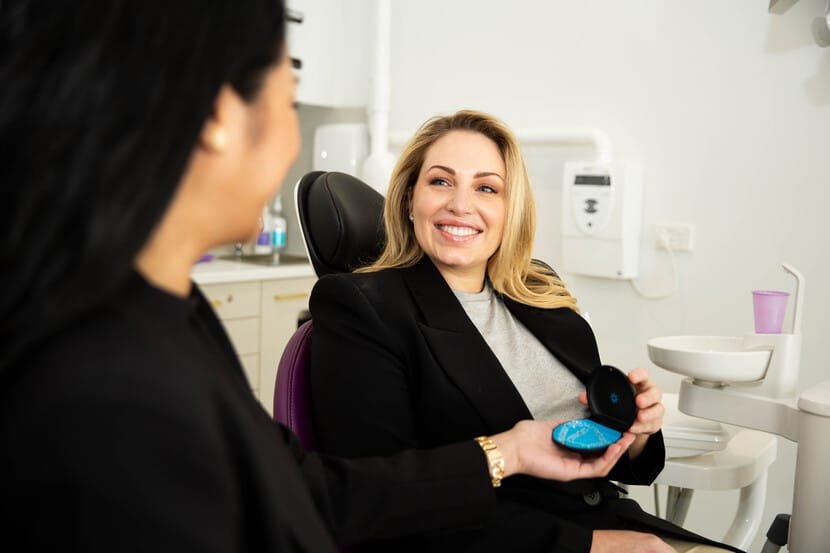

Braces used to be for teens. People saw them as a teenage thing. Think of a shy kid with shiny metal on their teeth. But that’s changing fast. Adults now get braces too. They want healthy teeth and bright smiles. Orthodontics helps with health, looks, and confidence. Many adults describe orthodontics as an emotional reset. It’s a chance to feel new. It’s never too late to straighten your teeth.
The Persistence of a Myth
Many think braces are just for kids. Parents took their teens to the dentist when baby teeth fell out. It was a normal step, like school photos. Adults who missed that time thought it was too late. They heard braces were hard or wouldn’t work. Some thought braces looked silly on grown-ups.
This idea is wrong. Teeth can move at any age. Your bones and gums can change with the right care. A 25-year-old or a 65-year-old can get braces. New tools make it possible. Dentists now help adults fix their smiles easily.
Beyond the Smile: Health as Motivation
Teens often want braces to look good. Adults want them for health. Crooked teeth cause trouble. They wear down unevenly. This hurts your jaw. It can give you headaches. Gums get sick if teeth are hard to clean.
Braces fix these problems. They help you chew food better. This helps your stomach too. Straight teeth are easier to brush and floss. Clean teeth stay strong. Braces stop big dental issues later. For adults, braces are about staying healthy, not just having a nice smile.
Adults also avoid pain. Crooked teeth can hurt your jaw. This is called TMJ disorder. It makes your face ache. Braces can stop this pain. They make eating and talking easier. Health is a big reason adults choose braces.
The Discreet Revolution
Old braces were shiny metal. Kids got teased for them. Adults didn’t want that. Now, there are better choices. Clear aligners are almost invisible. Ceramic braces blend with your teeth. Lingual braces hide behind your teeth.
Clear aligners are a favorite. You can take them out to eat or speak at work. They fit your life. New tech helps too. Dentists use 3D scans to make braces perfect for you. They feel good and work fast. Adults love these quiet options. No one notices their braces.
Dentists also use computers now. They plan your treatment on screens. This makes braces more accurate. You get results quicker. Some treatments take less than a year. Adults like this because they’re busy.
Psychology and the Power of Choice
Teens don’t choose braces. Parents decide for them. But adults pick for themselves. This feels strong. It’s their choice. Fixing teeth shows they care about themselves. It’s like a fresh start.
Many adults describe orthodontics as an emotional reset. Straight teeth match how they feel inside. It boosts confidence. A better smile helps them feel good at work or with friends. Adults love this control. It’s a way to change their life.
Some adults missed braces as kids. Maybe their family couldn’t afford it. Now, they can choose. This feels special. It’s not just about teeth. It’s about feeling proud and happy.
Orthodontics in the Age of Digital Faces
We live in a digital world. Video calls are everywhere. Your face is on Zoom or social media. A crooked tooth shows up fast. Adults notice this more now. A good smile matters for work or online posts.
Straight teeth help you feel strong. They’re like a business card. A nice smile shows confidence. Adults get braces to shine in meetings or on camera. It’s not just about health. It’s about feeling good in today’s world.
Social media pushes this too. People see perfect smiles online. They want that too. Braces help adults keep up. A good smile feels modern and strong.
Shattering Age Barriers
Adults of all ages get braces now. People in their 40s fix their teeth. So do those in their 50s or 70s. Age doesn’t stop you. Teeth move slower as you get older, but they move. Dentists know how to help.
Adult teeth have special needs. Some have gum problems. Others have fillings or crowns. Dentists plan for this. They make sure braces work safely. Everyone can get a better smile, no matter their age.
Older adults love braces too. A 70-year-old might want a new smile. It helps them feel young. It shows they’re strong and ready for change. Braces break the idea that only young people fix their teeth.
Economics and Value
Braces cost money. That worries some adults. But they see braces as an investment. Straight teeth save money later. Crooked teeth break or cause gum disease. Fixing them now prevents big bills.
A good smile helps at work. People feel better with straight teeth. They smile more. This can help get a job or a promotion. Braces boost your mood too. Feeling good is worth a lot.
Many dentists offer payment plans. This makes braces easier to afford. Adults see the value. It’s not just about looks. It’s about health and a better life.
The Future of Orthodontics and Adulthood
Braces aren’t just for teens anymore. More adults want them. Dentists make it easy. They offer plans for busy people. You can pay over time. Apps let you check your progress. Some braces work in months, not years.
This change is big. Braces aren’t only for growing up. They’re for growing better. Adults learn new skills or change jobs later in life. Fixing teeth fits this idea. It’s part of improving yourself.
Dentists now focus on adults. They advertise to grown-ups, not just kids. Clinics are friendly for working people. They open late or on weekends. This makes braces fit adult lives.
A Smile Without Age
Orthodontics isn’t just for teens. It’s for anyone who wants a healthy smile. Adults get braces for health, work, or a new start. The old idea of braces is gone. Now, they mean change and growth.
Whether you want a new job or a big smile, braces help. it’s never too late to straighten your teeth. Your smile can shine at any age. Braces show the world you’re ready for anything.
Disclaimer: This article is for informational purposes only and does not constitute medical or dental advice. Consult a licensed orthodontist or dental professional before pursuing orthodontic treatment. Individual results may vary, and treatment suitability depends on personal health conditions.

Experienced SEO Specialist and Web Developer with a strong focus on off-page SEO and guest posting. With 3 years of proven expertise, I help businesses improve their search rankings and build sustainable online presence.
