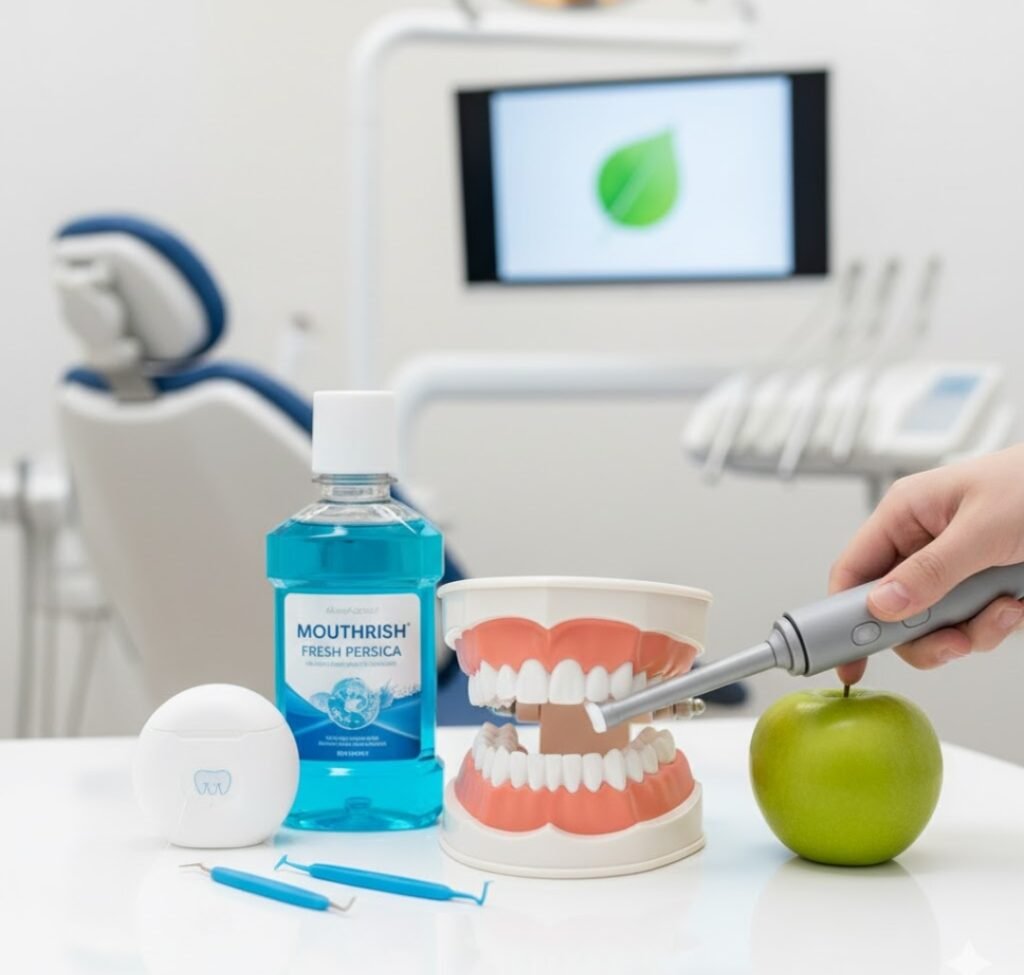

Halitosis, or bad breath, is a common issue linked to food like garlic or onions, but persistent cases can indicate deeper oral health problems and overall oral hygiene. Understanding its causes is crucial for fresh breath and a healthier mouth. This guide explores the science behind bad breath and offers preventative steps.
Understanding What Causes Bad Breath
The primary culprit behind most cases of bad breath is bacteria. Your mouth is home to millions of bacteria, and while many are harmless, some are responsible for producing foul odors. These bacteria thrive on food particles, dead cells, and other debris left in your mouth after eating.
As these bacteria break down these particles, they release smelly gases called volatile sulfur compounds (VSCs). These compounds, which include hydrogen sulfide (think rotten eggs) and methyl mercaptan, are the direct source of that unpleasant odor. The more bacteria and debris present, the more VSCs are produced, leading to more noticeable bad breath.
Several factors contribute to the buildup of these odor-causing bacteria:
- Poor oral hygiene: Infrequent or improper brushing and flossing leaves food particles for bacteria to feast on.
- Dry mouth (xerostomia): Saliva is crucial for washing away food particles and neutralizing acids. A lack of it creates a perfect environment for bacteria to multiply.
- Diet: Certain foods and drinks can contribute to bad breath, either by their inherent strong odors or by promoting bacterial growth.
- Lifestyle habits: Smoking and alcohol consumption can dry out the mouth and introduce chemicals that lead to halitosis.
- Medical conditions: In some cases, bad breath can be a symptom of underlying health issues like sinus infections, acid reflux, or even more serious diseases.
Perfecting Your Oral Hygiene Routine
The most effective defense against bad breath is a consistent and thorough oral hygiene routine. Simply brushing your teeth isn’t always enough. Here’s how to do it right.
Effective Brushing Techniques
You should brush your teeth at least twice a day for two minutes each time. Use a soft-bristled toothbrush and fluoride toothpaste. Hold your brush at a 45-degree angle to your gums and use gentle, circular motions to clean the front, back, and chewing surfaces of all your teeth. Pay special attention to the gumline, as this is where plaque tends to accumulate.
The Importance of Flossing
Brushing alone can’t reach the tight spaces between your teeth and under the gumline. This is where food particles and plaque build up, creating a haven for bacteria. Floss at least once a day to remove this hidden debris. Gently guide the floss between your teeth, curving it into a “C” shape against each tooth and sliding it beneath the gumline.
Don’t Forget Your Tongue
Your tongue’s rough surface is covered in tiny bumps that can trap bacteria and food particles. A significant amount of odor-causing bacteria resides on the tongue. Use a tongue scraper or the back of your toothbrush to gently clean your tongue from back to front each time you brush. This simple step can make a major difference in the freshness of your breath.
How Your Diet Impacts Your Breath
What you eat and drink has a direct impact on your oral health. Some foods can cause temporary bad breath, while others can contribute to long-term problems.
Foods that can cause bad breath include:
- Garlic and onions
- Spicy foods
- Coffee and alcohol
- Sugary foods and drinks, which feed oral bacteria
On the other hand, some foods can help fight bad breath:
- Crunchy fruits and vegetables: Apples, carrots, and celery help clean your teeth by scraping away plaque as you chew.
- Yogurt: Probiotics in yogurt can help reduce the levels of odor-causing bacteria in your mouth.
- Parsley and mint: These herbs contain chlorophyll, which can help neutralize odors.
The Role of Hydration and Saliva
Saliva is your body’s natural mouth rinse. It helps wash away food particles, neutralize acids produced by plaque, and keep your oral tissues moist. When your mouth is dry, bacteria can thrive.
To keep your mouth hydrated and encourage saliva production, make sure to drink plenty of water throughout the day. Chewing sugar-free gum or sucking on sugar-free candies can also stimulate saliva flow, which is especially helpful after meals when you can’t brush.
When to See a Dentist
If you’ve improved your oral hygiene routine and made lifestyle changes but still struggle with persistent bad breath, it’s time to see a dentist. A professional can help identify the underlying cause, which could be a sign of a more serious issue like:
- Gum disease (gingivitis or periodontitis)
- Untreated cavities
- Oral infections
- Impacted teeth
Your dentist can perform a thorough cleaning to remove plaque and tartar buildup and recommend a treatment plan tailored to your specific needs. Regular dental check-ups, typically every six months, are essential for maintaining good oral health and preventing problems before they start.
Lifestyle Adjustments for Fresher Breath
Certain lifestyle habits have a significant impact on your breath.
- Quit Smoking: Tobacco products not only cause their own unpleasant odor but also dry out your mouth and increase your risk of gum disease. Quitting is one of the best things you can do for your oral and overall health.
- Limit Alcohol: Like tobacco, alcohol dries out the mouth, creating an ideal environment for bacteria to flourish.
Additional Tips and Remedies
For an extra boost of freshness, consider incorporating an antiseptic mouthwash into your routine. Look for products that kill germs and bacteria rather than just masking odor. A nanosilver mouthwash can be an effective option for reducing oral bacteria. You can also use breath sprays or sugar-free mints for a quick refresh during the day.
Conclusion
Achieving and maintaining fresh breath is about more than just a quick fix; it requires a commitment to a comprehensive oral care routine. By brushing and flossing effectively, cleaning your tongue, staying hydrated, and making smart dietary choices, you can significantly reduce the bacteria that cause halitosis.

Experienced SEO Specialist and Web Developer with a strong focus on off-page SEO and guest posting. With 3 years of proven expertise, I help businesses improve their search rankings and build sustainable online presence.
