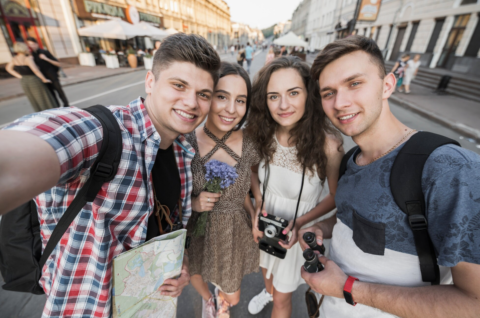
Group travel sounds great in theory. A few close friends, shared memories, inside jokes that last a lifetime. In reality, it often turns into a logistical headache. Different budgets, different expectations, too many opinions, and not enough time to plan something that genuinely feels special.
Across Europe, popular destinations are starting to feel overcrowded, overpriced, and oddly predictable. The result is a growing sense that group trips have lost their spark.
That frustration is exactly why Romania has quietly stepped into the spotlight. Not as a cheap alternative, and not as a trend-chasing destination, but as a place that understands what modern group travel actually needs: flexibility, authenticity, and experiences that feel personal rather than mass-produced. Nowhere is that shift more visible than in the way cities like Bucharest are reshaping how groups travel, celebrate, and connect.
The real challenge of modern group travel
Planning a group trip today often feels like a compromise before the journey even begins. One person wants culture, another wants nightlife, someone else just wants to relax without a rigid schedule. Add rising costs across Western Europe and the pressure to make the trip “Instagram-worthy,” and suddenly the fun disappears.
Many established destinations have built their tourism models around volume. Big attractions, crowded itineraries, fixed packages. For groups, that usually means being squeezed into pre-made experiences that leave little room for spontaneity or individuality. Instead of bonding, people end up negotiating every detail, from where to eat to how much everything costs.
Romania approaches this differently. Its tourism scene is still flexible, still human-scaled. Local operators, venues, and guides are used to adapting experiences around people, not the other way around. For groups, that translates into trips that feel collaborative rather than restrictive. You can mix history with nightlife, local food with modern concepts, all without feeling rushed or priced out.
Bucharest and the rise of experience-driven travel
Bucharest is often misunderstood. It does not advertise itself loudly, and that is part of its charm. The city blends grand architecture with raw urban energy, leafy neighbourhoods with buzzing nightlife districts. For groups, this creates a rare balance between exploration and entertainment.
What makes Bucharest stand out is how easy it is to tailor an experience. You can start the day with a walking tour through hidden courtyards and local markets, move on to long lunches that turn into conversations, and end the night in venues that feel more like private gatherings than tourist traps. Distances are short, prices remain reasonable, and the city never feels like it is trying too hard to impress.
This environment has given rise to highly customized group experiences, especially for celebrations that matter. One clear example is the way a Bucharest stag has evolved into a fully curated experience rather than a chaotic night out. The problem it solves is simple but common: how to celebrate together without losing control of time, budget, or atmosphere. Instead of random bar hopping, groups get structured freedom. Enough planning to avoid stress, enough flexibility to keep things fun and memorable.
Why Romania feels authentic rather than staged
Travellers today are quick to spot experiences that feel artificial. Matching outfits, forced activities, and places designed purely for tourists can make a group trip feel hollow. Romania benefits from the opposite problem: it has not yet been over-polished.
Local culture is still part of daily life, not a performance. Cafes are filled with residents, not just visitors. Restaurants experiment with traditional flavours without turning them into clichés. Even nightlife spaces often feel community-driven rather than commercially aggressive. For groups, this authenticity creates natural moments of connection. Conversations flow more easily when the environment feels real.
Another underrated advantage is the attitude toward hospitality. Romanian hosts tend to engage personally, offering suggestions that come from lived experience rather than scripted recommendations. That human touch matters when you are travelling as a group, where small details can shape the entire mood of the trip.
Romania also offers diversity within short distances. A group can spend time in Bucharest, then easily add a day trip to medieval towns, mountain landscapes, or wine regions. This variety keeps everyone engaged, even when interests differ, and reduces the need for endless planning sessions before the trip.
A smarter approach to celebrating together
Group celebrations are especially vulnerable to disappointment. Expectations are high, and memories are meant to last. Romania’s growing reputation in this space comes from its ability to combine structure with personality. Experiences are designed around people, not personas.
Instead of pushing loud, one-size-fits-all formulas, the focus is on pacing and atmosphere. Groups can choose intensity levels that suit them, whether that means relaxed daytime activities paired with vibrant nights, or a more energetic schedule throughout. Costs remain transparent, which removes one of the biggest sources of group tension.
This approach reflects a broader shift in how people want to travel together. Less spectacle, more substance. Less rushing, more presence. Romania delivers that not by reinventing travel, but by stripping away what made it exhausting in the first place.
When travel starts feeling human again
Romania’s growing appeal is not about hype. It is about relief. Relief from overcrowded destinations, inflated prices, and experiences that feel designed for algorithms rather than people. For groups, that relief turns into something more valuable: genuine connection.
Bucharest, in particular, shows how a city can host groups without overwhelming them, offering room to celebrate, explore, and simply enjoy being together. If the future of group travel is about feeling engaged rather than entertained, Romania is already there.
For those looking to plan a group experience that feels natural, balanced, and memorable, this part of Europe offers a refreshing perspective. Sometimes the best travel stories come from places that are not trying to be the loudest in the room, just the most real.