The housing scenes have changed a lot lately, giving folks ways more ways to live. Because homes cost so much now, plus how life itself feels different, plenty of people are checking out less common setups – ones that fit tight budgets but still feel cozy and connected. Some of these fresh takes on shelter stand out by being easier to adapt and useful day-to-day.
Living off the grid isn’t only cheaper – it shows how people want less clutter, easier upkeep, while building closer ties with neighbors. Whether it’s green buildings or tiny layouts, today’s home seekers are asking what comfort really looks like.
Why Alternative Housing Is Growing in Popularity
A big reason people choose different kinds of homes is cost. In lots of areas, buying a regular house feels out of reach – particularly for those entering the market or living on retirement income. Smaller or non-traditional setups usually cost less upfront while also cutting monthly bills, so more folks can afford them.
Lifestyle choices matter a lot these days. A growing number prefer adventures instead of big houses, picking cozy places in quiet spots. Scaling back isn’t forced anymore – it’s a decision folks make to live better without the hassle of maintenance.
On top of that, how folks work now shapes where they live. Since working from home is normal these days, many aren’t stuck living downtown anymore. That shift means house hunters can look in calmer areas – spots with basics nearby plus friendly neighbors.
Community Living and Its Benefits
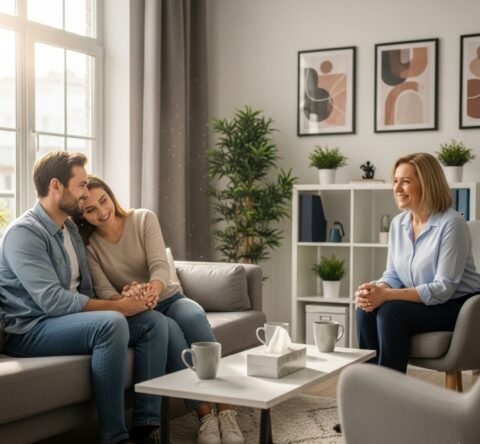
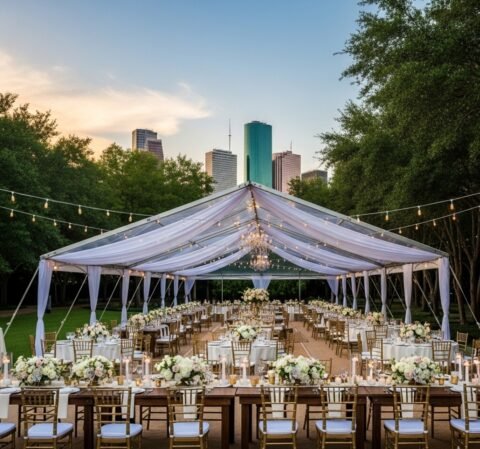
Living differently draws people together in real ways. Not like regular areas, where folks barely know each other – here, chatting and bonding feels natural. Spaces you use together, events planned now and then, plus nearby homes make ties grow stronger. These links tend to lift mood and add meaning day by day.
Living in a community often helps seniors or people wanting extra support. Getting to know those around you, while also having help close by, brings peace of mind. That kind of comfort? It’s hard to match when living alone or far from others.
Folks often design neighborhood-style homes to be easy and cozy to live in. Things like no-step floor plans, clear walkways that stay fixed up, or common yards make life feel safer – also way nicer day-to-day.
Financial Considerations to Keep in Mind
Even though cheaper homes might save money, folks need to check the cash side closely. Figuring out regular bills – like upkeep, power, and area charges – matters a lot. Those payments shift based on where you are, who’s in charge, or what extras come included.
Think about how things might play out down the road. Certain homes might not grow in worth like regular ones do, which means picking one that fits your daily life matters more than hoping it’ll make money later. Getting guidance from someone who knows the field while going over every line in the paperwork could save you from surprise fees.
Insurance options might vary, while financing can differ too. Shoppers ought to investigate specific coverage plans – also checking if standard home loans apply or something different needed instead.
Flexibility and Lifestyle Freedom
Another advantage of modern housing alternatives is flexibility. Many options are designed to suit changing life stages, whether that involves retirement, relocation, or simplifying daily routines. This adaptability makes them appealing to a broad audience, from young professionals to seniors.
For those seeking a peaceful environment without sacrificing independence, options such as residential park homes for sale provide a balance between private living and shared community benefits. These homes are typically designed for year-round living and offer a practical solution for people looking to downsize without compromising comfort.
Flexibility also extends to location. Many alternative housing communities are situated in scenic or semi-rural areas, offering residents access to nature while remaining within reasonable distance of essential services.
Sustainability and Modern Design
Sustainability matters more now when picking a home. Lots of alternative houses focus on saving energy, thanks to up-to-date insulation, smarter heating, or eco-friendly supplies. That means less harm to nature along with cheaper power costs.
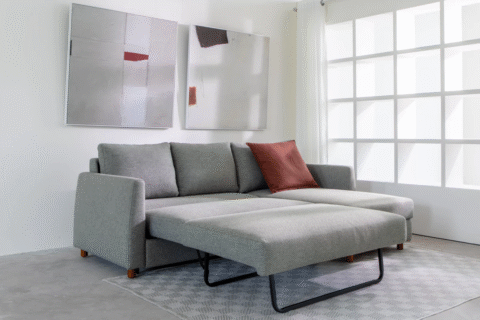
Today’s look fits how people like things now. Newer setups let in plenty of daylight, while smart arrangements make compact places seem roomy. Because everything works well together, even tiny houses can feel just right – proving good design isn’t about square footage.
Making an Informed Decision
Choosing the right housing option requires careful thought and research. Buyers should consider their long-term needs, financial situation, and desired lifestyle. Visiting communities, speaking with residents, and understanding management policies can provide valuable insight before making a commitment.
Ultimately, the rise of alternative housing reflects a broader shift in how people define homeownership. It is no longer solely about square footage or location but about comfort, connection, and living in a way that aligns with personal values.
By approaching the decision with clarity and realistic expectations, buyers can find a housing solution that offers stability, satisfaction, and a better quality of life.