Introduction
From diagnosing complex diseases to designing breakthrough therapies, antibodies are the foundation of modern biomedical science. Yet, not all antibodies are created equal — and that’s where custom antibody production comes in.
By tailoring antibodies for specific research needs, scientists can achieve greater accuracy, reproducibility, and insight into molecular mechanisms. These services bridge the gap between standard laboratory tools and high-impact innovation, driving new discoveries in healthcare and life sciences.
What Is Custom Antibody Production?
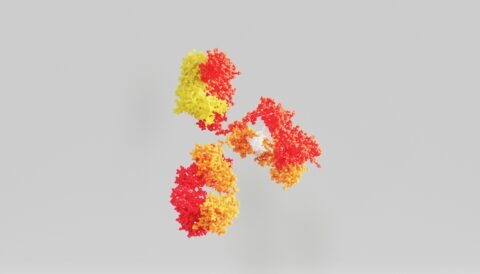
Custom antibody production is the process of creating antibodies designed to target a specific antigen chosen by the researcher. Unlike catalog antibodies, which are pre-made and limited in scope, custom antibodies are built from scratch — using unique peptides, proteins, or post-translational modifications as immunogens.
The process typically includes:
- Antigen design and synthesis
- Immunization in animals (mice, rabbits, or goats)
- Antibody screening, purification, and characterisation
- Quality validation and scalability for research or diagnostic use
This ensures that the resulting antibodies are highly specific, sensitive, and reliable across experimental platforms such as Western blotting, ELISA, and immunohistochemistry.
Why Custom Antibody Production Matters
1. Improved Specificity and Accuracy
Custom antibodies recognise one precise epitope, eliminating background noise and false positives — critical for reproducible results in biomedical assays.
2. Versatility Across Applications
Whether it’s detecting viral proteins, cancer biomarkers, or cellular receptors, tailored antibodies can be engineered for nearly any target.
3. Therapeutic and Diagnostic Development
Custom-produced antibodies support clinical translation, from preclinical screening to therapeutic antibody engineering.
4. Quality Control and Reproducibility
Defined sequences and purification standards ensure consistent performance between production batches — a key requirement for regulated research environments.
Applications in Science and Medicine
Biom<H3>edical Research
Custom antibodies enable detailed studies of signalling pathways, protein–protein interactions, and disease mechanisms at the molecular level.
Pharmaceutical Development
They are vital in drug target validation, toxicology testing, and mechanistic studies, helping pharmaceutical companies identify new treatment candidates faster.
Diagnostics and Public Health
High-affinity antibodies improve sensitivity and specificity in diagnostic kits for early disease detection and pandemic monitoring.
The Evolution of Antibody Technology
Antibody production has advanced far beyond traditional hybridoma methods. Today’s providers integrate recombinant DNA technology, AI-based antigen design, and phage display to accelerate development timelines.
Modern systems also prioritise animal welfare, using recombinant or synthetic immunisation methods that reduce dependency on live models — aligning with global ethical standards.
For readers of IndividualsMagazine.com, these innovations underscore how science and ethics can progress hand in hand — reflecting a more thoughtful, sustainable approach to discovery.
Conclusion
As biomedical research becomes increasingly data-driven, custom antibody production remains a cornerstone of precision science.
By delivering accuracy, flexibility, and innovation, it enables researchers to ask more complex questions and find more definitive answers. From laboratory assays to clinical breakthroughs, these tailored antibodies continue to push the boundaries of what’s possible — one molecule at a time.

Warren Driscoll writes about luxury travel. He has over seven years of experience. Since 2018, he has stayed in private villas in Ibiza and Saint-Tropez, and chalets in the French Alps. Warren’s stories have been shared by Indvidual Magazine. He writes honest reviews and gives helpful tips to help people plan great holidays. He also shares his own photos and real experiences to make his advice clear and useful.