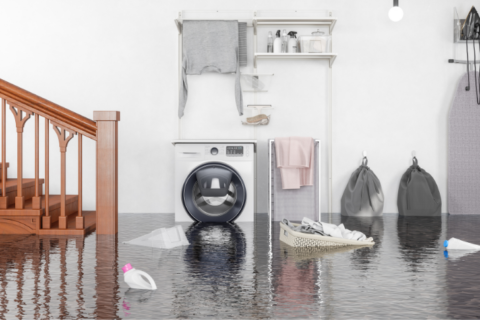
Becoming a homeowner is a proud moment — a step towards independence, comfort, and stability. But owning a home also comes with responsibility, and one of the most common problems new homeowners face is water damage. It doesn’t take much for a tiny leak to grow into a major issue. A dripping pipe, blocked gutter, or damp wall can quietly cause hundreds or even thousands of pounds’ worth of repairs.
That’s why it’s smart to take preventive action from day one. With the right products and maintenance habits, you can protect your home from water damage before it even starts.
In this guide, we’ll take you through a detailed new homeowner’s checklist — essential products, simple maintenance steps, and clever tools that help you avoid leaks, dampness, and unexpected repair bills.
If you’re just settling into your new home and want to start off the right way, Click here to explore trusted home protection tools and products.
Understanding Why Water Damage Happens
Water damage often sneaks up quietly. It can start with a small drip under the sink, a blocked drain, or even cracks in your roof tiles. When ignored, these small issues lead to damp patches, mould, and structural damage.
The key to preventing it is being proactive — knowing where to look, what products to use, and how often to inspect different areas. Once you make prevention part of your regular routine, you’ll save time, money, and stress.
1. Leak Detectors — Your First Line of Defence
One of the smartest tools every homeowner should invest in is a leak detector. These small, battery-powered devices can sense moisture and alert you before a small problem turns serious.
Place them in areas where leaks are most likely — under sinks, near washing machines, dishwashers, or water heaters. Modern versions can even send alerts to your smartphone, giving you time to react immediately.
Leak detectors are affordable and easy to install. Think of them as your home’s early warning system — a little gadget that can save you thousands in repairs.
2. Waterproof Sealants and Caulk for Cracks
Tiny cracks around windows, bathtubs, or tiles might look harmless but can allow water to seep in over time. A simple tube of waterproof sealant can stop that.
Use silicone-based caulk in bathrooms and kitchens as it lasts longer and resists moisture. Regularly check the seal around your shower, sink, and bath — if it’s cracked or peeling, replace it right away.
It’s an easy DIY job that takes minutes but protects your home from long-term damage.
3. Gutter Guards and Downpipe Filters
Your gutters are the unsung heroes of your home. When they get blocked with leaves or dirt, rainwater overflows and runs down your walls or foundation, causing serious issues.
Fitting gutter guards helps prevent clogs and ensures smooth water flow. Downpipe filters are another good addition — they trap debris before it enters your drainage system.
Clean your gutters twice a year, especially after autumn. Regular maintenance is the best way to keep rainwater flowing away from your property, not into it.
4. Sump Pumps for Flood Protection
If your home has a basement or is located in a flood-prone area, a sump pump is essential. It removes any water that collects under your house before it can cause damage.
Modern sump pumps come with battery backups to keep them working during power cuts — something worth considering if your area often experiences heavy rain.
Remember to check your pump occasionally to ensure it’s working properly.
5. Water-Resistant Flooring Choices
When you’re decorating your new home, consider using water-resistant materials in areas like kitchens, bathrooms, and laundry rooms.
Vinyl, ceramic tiles, and sealed concrete are all excellent options. Unlike wood or laminate, these materials won’t warp or bubble when exposed to moisture.
Even if you prefer the look of wood, you can now find water-resistant laminate flooring that offers both beauty and protection.
6. Roof Maintenance and Protective Coating
Your roof shields your home from rain, wind, and snow. But without regular care, even a small crack or missing tile can lead to leaks.
Inspect your roof at least twice a year — once before winter and again after heavy rain. Look for loose tiles, damaged flashing, or clogged valleys.
You can also apply waterproof roof coatings for extra protection. They add a thin barrier that repels moisture and extends the life of your roof.
If you’re unsure which type to use, ask a professional roofer for advice.
7. Plumbing Maintenance Tools
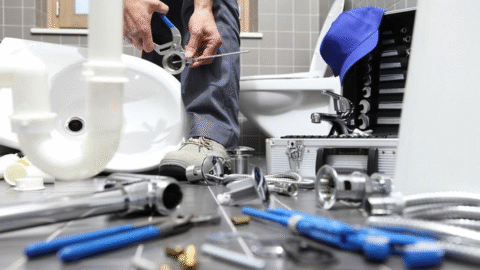
Every homeowner should have a small plumbing toolkit. It doesn’t need to be fancy — just the basics like an adjustable wrench, plumber’s tape, and a pipe repair kit.
Learning how to fix small drips or tighten loose fittings can make a big difference.
Check your home’s water pressure too — if it’s too high, it can strain your pipes and cause leaks. Installing a pressure regulator is an easy fix that prevents future trouble.
8. Dehumidifiers for Damp Areas
Some homes naturally hold more moisture, especially basements or older properties. A good dehumidifier can control humidity levels and stop mould growth.
It’s also helpful in laundry rooms, bathrooms, and kitchens where steam builds up.
For smaller spaces, moisture-absorbing bags or crystals can also work well. They’re inexpensive, easy to replace, and help keep the air dry and fresh.
9. Waterproof Storage for Valuables
If you store things in your basement, garage, or loft, protect them in waterproof containers. Plastic storage boxes with tight-fitting lids are ideal for keeping items dry and safe.
Store important documents, photos, and electronics off the floor — even a small leak could damage them permanently.
Taking a few minutes to organise your belongings can save a lot of heartache later.
10. Smart Home Water Shut-Off Systems
Technology can be a real lifesaver when it comes to home protection. Smart water shut-off systems automatically stop the water supply if a leak is detected.
They connect to your main water line and can be controlled through your smartphone. That means if you’re on holiday and a pipe bursts, you can shut off the water remotely.
It’s one of the best investments you can make for long-term home safety.
11. Regular Inspections — A Simple Habit
Even with all the right products, prevention still depends on consistency. Get into the habit of inspecting your home regularly.
Check under sinks, behind appliances, and around window frames for any signs of dampness or mould.
Listen for strange noises in your pipes, and watch for water stains on ceilings or walls — these could be signs of a hidden leak.
Taking five minutes each month for a quick inspection can help you catch small problems early.
12. Waterproof Paints and Wall Coatings
Walls can absorb moisture from both inside and outside. Using waterproof paints or wall coatings adds an extra layer of defence.
These paints are especially useful in bathrooms, kitchens, and basements. They keep your walls dry and reduce the risk of mould.
The best part is that they come in stylish colours and finishes, so you can protect your home without compromising on design.
13. Window Well Covers for Basements
If your home has basement windows, install clear window well covers. They stop rainwater, dirt, and leaves from entering the wells while still letting natural light through.
They’re easy to fit and help prevent water from pooling near your basement walls — a common cause of damp problems.
It’s a simple, cost-effective fix that adds both protection and peace of mind.
14. Appliance Leak Trays
Appliances like washing machines, dishwashers, and fridges can leak unexpectedly. A leak tray placed underneath them catches any water before it spreads.
These trays are cheap and easy to install, yet they can prevent damage to floors and skirting boards.
They’re especially useful for upstairs laundry rooms where a leak could damage ceilings below.
15. Improve Outdoor Drainage
Water damage often starts outside the house. Poor drainage can cause rainwater to pool around your foundation, eventually seeping inside.
Make sure your garden and driveway slope away from the house. Installing French drains or gravel beds can help redirect water away from your foundation.
Good landscaping not only looks nice but also keeps your home safe and dry.
If you’re unsure how to plan your outdoor drainage, Click here for simple home drainage and garden maintenance solutions.
16. Know Your Main Water Shut-Off Valve
Every homeowner should know where their main water shut-off valve is located. In an emergency, turning it off quickly can stop water from flooding your home.
Test it once in a while to make sure it works properly. It’s also a good idea to label it clearly so anyone in the house can find it fast if needed.
This small step could make all the difference during a sudden leak or burst pipe.
17. Keep an Emergency Repair Kit
Accidents happen, even when you’ve done everything right. That’s why it’s smart to keep a basic water damage repair kit at home.
Include things like waterproof tape, absorbent cloths, sealant, a torch, and a bucket. Having these ready allows you to react quickly until professional help arrives.
It’s a small investment that could prevent a major disaster.
18. Review Your Home Insurance
Prevention is important, but so is protection. Make sure your home insurance covers water-related issues like burst pipes, leaks, or flooding.
Some policies exclude certain types of water damage, so it’s best to read the details carefully. You can also add extra cover if needed.
Having the right insurance ensures you’re financially protected if something unexpected happens.
If you’re unsure where to find reliable information on coverage options, Click here for easy homeowner insurance resources and guides.
Final Thoughts: Keep Your Home Safe and Dry
Owning a home is a rewarding experience, but it also means taking care of it properly. Water damage might be common, but it’s not unavoidable. With a little planning, regular maintenance, and the right products, you can keep your home dry, healthy, and secure.
From leak detectors and sump pumps to waterproof paints and smart shut-off systems, every small effort adds up to long-term protection.
As a new homeowner, taking these preventive steps early gives you peace of mind and saves you from expensive surprises later.