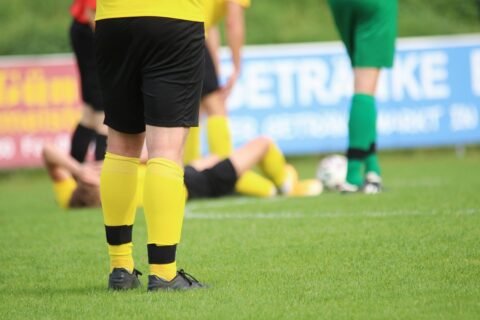
Image by Alexander Fox | PlaNet Fox from Pixabay
Playgrounds are an essential part of childhood in the UK, offering space to develop confidence, coordination and social skills. Yet with active play comes the potential for bumps, scrapes and, occasionally, more serious accidents. Understanding the most common playground injuries (and how to prevent them) can help parents, carers and schools keep children safer.
- The Most Common Playground Injuries in the UK
According to experts, falls from equipment such as climbing frames and monkey bars remain the leading cause of playground injuries. Typical injuries include fractures, head bumps, sprains and cuts, often linked to falls from height or collisions during play. NHS services also continue to treat thousands of children each year for broken bones and soft-tissue injuries sustained in playground settings, particularly during the warmer months when outdoor play increases. Swings and slides can also be sources of harm, particularly when surfaces become slippery after rain or maintenance is overdue. While most injuries are minor, it is important to recognise that a proportion require medical treatment to guarantee proper recovery and avoid long-term issues.
- Why Playground Accidents Happen — and How to Prevent Them
Playground incidents frequently stem from a combination of factors, including inadequate adult supervision, poorly maintained equipment and overcrowded spaces. The risk increases when younger children play on structures designed for older age groups or when inappropriate footwear makes grip difficult. Surfaces such as wet grass or loose gravel can also lead to slips. To help prevent injuries, adults should keep a close eye on children, encourage sensible play, and check equipment for visible wear or hazards. Making sure that children have supportive shoes, tying back long hair and teaching safe climbing and sliding habits can further reduce risks. Recent UK safety guidance also highlights the importance of proper surfacing beneath equipment, as softer materials help cushion falls and minimise impact.
- What to Do If a Playground Accident Happens
If a child is injured, start by assessing the situation calmly. Provide basic first aid where appropriate, such as cleaning cuts or applying a cold compress to bruises. Seek medical attention if a child shows signs of a head injury, severe pain, swelling or difficulty using a limb. It is also advisable to report unsafe equipment or surfaces to your local council so action can be taken to protect other children. In cases where poor maintenance or negligence may have contributed to the incident, families may consider seeking advice on their options. In rare cases of serious falls caused by negligence, exploring the slips, trips, and falls compensation claim route to advice and support may also be appropriate.
Playgrounds should remain joyful spaces for children to explore, take healthy risks and develop new skills. With awareness, active supervision and safe equipment, most injuries can be avoided, and when accidents do occur, knowing how to respond quickly guarantees that children get the care and support they need.
Jared H. Furness loves sports! He writes about football, basketball, and baseball. He looks at player stats and tells fun, easy stories. His articles are very simple to read. Everyone can understand them! You can find his writing on big sports websites. He talks about how players play, exciting game moments, and smart plans. For example, he writes about games like Boston College Eagles vs. UVA and Arizona Diamondbacks vs. Miami Marlins. Jared writes his own stories, and they follow Google’s rules. They’re easy to find on Google and never copied. Fans and experts love his stories about stars like Bobby Witt Jr. and fun EuroLeague basketball moments. Jared makes sports writing super fun and clear!