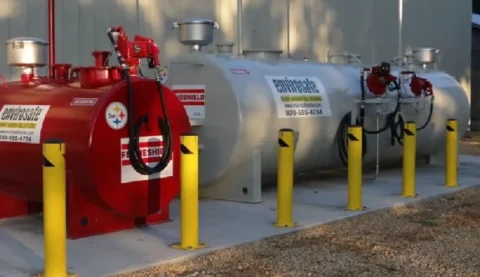
The Importance of Above Ground Fuel Tank Installation
Above ground fuel tank installation is a critical process for businesses, farms, and homeowners needing reliable storage for gasoline, diesel, or heating oil. These tanks, placed at ground level, offer a safer and more accessible alternative to underground systems, minimizing environmental risks and simplifying maintenance. Proper above ground fuel tank installation ensures compliance with regulations, prevents leaks, and supports efficient fuel management. Whether for powering machinery, heating homes, or supplying gas stations, a well-installed tank is essential for operational reliability and environmental protection.
Planning for a Successful Installation
Effective above ground fuel tank installation begins with thorough planning. Site selection is crucial, as tanks must be placed on stable, level surfaces to prevent shifting or tipping. A concrete pad or pre-fabricated support is typically used to ensure stability. Local regulations, including those from fire marshals and the Environmental Protection Agency (EPA), dictate minimum distances from buildings, water sources, and property lines to reduce fire and environmental risks. Obtaining necessary permits is a mandatory step to ensure compliance. Assessing fuel needs—whether 500 gallons for a small farm or 20,000 gallons for an industrial facility—helps determine the appropriate tank size and capacity for above ground fuel tank installation.
The Installation Process Step by Step
Above ground fuel tank installation involves several key steps to ensure safety and functionality. After securing permits, contractors prepare the site by pouring a concrete foundation or installing supports to handle the tank’s weight. The tank, often made of steel or polyethylene, is positioned using cranes for larger models. Connections to fuel lines, venting systems, and dispensing equipment are carefully installed to prevent leaks. Double-walled tanks, which include a secondary containment layer, are commonly recommended to enhance safety. Post-installation, a pressure test verifies the tank’s integrity, and spill containment systems, such as bunded trays, are added to meet environmental standards. Each step is designed to ensure the above ground fuel tank installation meets regulatory and operational requirements.
Safety and Regulatory Considerations
Safety is a cornerstone of above ground fuel tank installation due to the flammable nature of stored fuels. Tanks must include features like emergency shut-off valves, overfill protection, and anti-siphon devices to prevent spills and accidents. EPA regulations and local fire codes set standards for tank placement, secondary containment, and maintenance to minimize risks. For example, tanks must be positioned away from ignition sources and equipped with spill containment systems to capture leaks. Regular inspections post-installation ensure ongoing compliance and identify potential issues, such as corrosion or loose fittings, before they escalate. Proper above ground fuel tank installation reduces the risk of environmental contamination and ensures safe operation.
Benefits of Above Ground Fuel Tanks
Above ground fuel tank installation offers significant advantages over underground systems. Their visibility allows for quick leak detection, unlike underground tanks where issues may go unnoticed for months. Installation is faster and less costly, as it avoids extensive excavation and soil remediation. Maintenance is simpler, with easy access for cleaning, inspections, and repairs. These tanks are also scalable, allowing businesses to add capacity as needs grow. Environmentally, above ground fuel tank installation minimizes the risk of groundwater contamination, aligning with sustainability goals. Their durability and compliance features make them a reliable choice for long-term fuel storage.
Maintenance for Long-Term Reliability
Maintaining an above ground fuel tank is essential to ensure its longevity and performance. Regular inspections, typically annually, check for signs of rust, loose fittings, or sediment buildup. Cleaning the tank periodically removes sludge that can clog fuel lines or reduce capacity. Keeping the area around the tank clear of debris and ensuring proper drainage prevents water accumulation, which can accelerate corrosion. Advanced monitoring systems, such as leak detection sensors, provide real-time alerts for potential issues. By prioritizing maintenance, businesses and homeowners can maximize the benefits of above ground fuel tank installation and avoid costly repairs or replacements.
Choosing the Right Contractor
Selecting a qualified contractor is critical for successful above ground fuel tank installation. Look for professionals with certifications in fuel tank installation, environmental compliance, and safety standards. Experience in the specific application—whether agricultural, industrial, or residential—ensures familiarity with relevant challenges. Reputable contractors provide detailed plans, including site preparation, installation methods, and compliance measures. They also handle permit applications and coordinate with local authorities to ensure regulatory adherence. Checking references and verifying compliance records helps identify reliable partners who deliver quality work and minimize risks.
Future Trends in Fuel Tank Technology
Advancements in technology are enhancing above ground fuel tank installation. Smart sensors for real-time monitoring of fuel levels, leaks, and corrosion are becoming standard, enabling predictive maintenance and reducing downtime. Innovations in materials, such as advanced composites, improve durability and resistance to environmental factors. Eco-friendly designs, like integrated spill containment and recyclable components, align with growing sustainability demands. These trends make above ground fuel tanks more efficient, safer, and environmentally responsible, ensuring they remain a top choice for fuel storage across industries.
The Long-Term Value of Above Ground Tanks
Above ground fuel tank installation offers a combination of safety, accessibility, and environmental benefits that make it a smart investment. By simplifying installation, maintenance, and compliance, these tanks reduce operational costs and risks compared to underground systems. Their visibility and robust design features ensure quick issue detection and resolution, protecting both the environment and budgets. As industries and homeowners prioritize efficiency and sustainability, above ground fuel tank installation stands out as a reliable, forward-thinking solution for secure and eco-friendly fuel storage, delivering lasting value for years to come.

Jared H. Furness loves sports! He writes about football, basketball, and baseball. He looks at player stats and tells fun, easy stories. His articles are very simple to read. Everyone can understand them! You can find his writing on big sports websites. He talks about how players play, exciting game moments, and smart plans. For example, he writes about games like Boston College Eagles vs. UVA and Arizona Diamondbacks vs. Miami Marlins. Jared writes his own stories, and they follow Google’s rules. They’re easy to find on Google and never copied. Fans and experts love his stories about stars like Bobby Witt Jr. and fun EuroLeague basketball moments. Jared makes sports writing super fun and clear!